A short stay in Belgravia: where to walk, eat, and pause
Belgravia rewards a slow pace. A weekend guide to the white stucco squares, the kitchens worth booking ahead, and the corners that most visitors walk past.
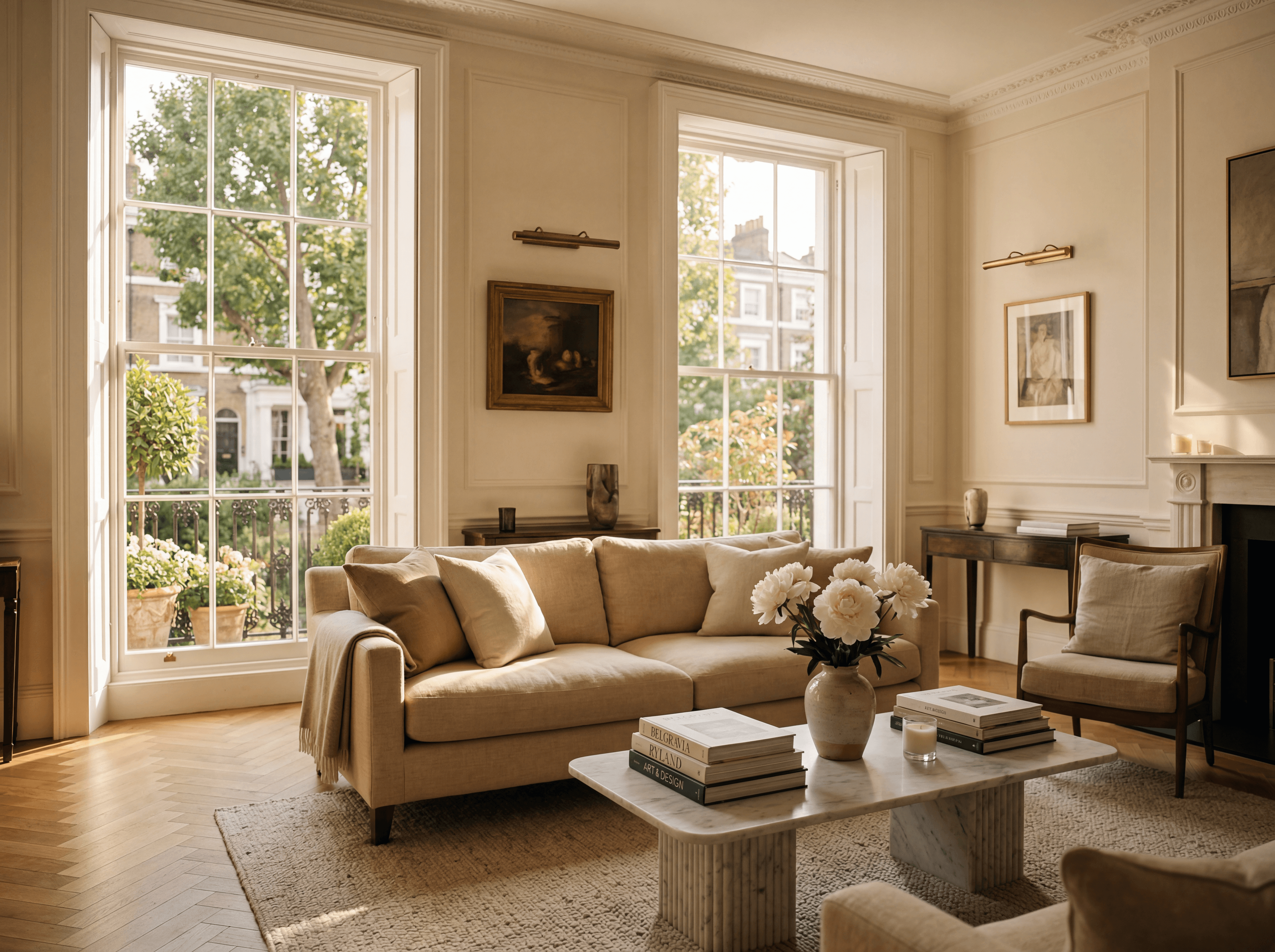
Most short stays in Belgravia happen in the wrong order. People arrive on Friday evening, sleep, then spend Saturday queueing on Sloane Street, only to realise on Sunday morning that they never actually saw the neighbourhood they came to stay in.
Belgravia is small. Drawn out as a rough rectangle from Hyde Park Corner down to Pimlico Road, and from Grosvenor Place across to Sloane Square, it is one of the quietest of the prime postcodes. The streets are stucco-white, the squares are mostly residents-only, and the residents themselves tend to slip in and out of black taxis without making eye contact.
That quietness is the point. Treat it as a weekend on foot.
Where to walk
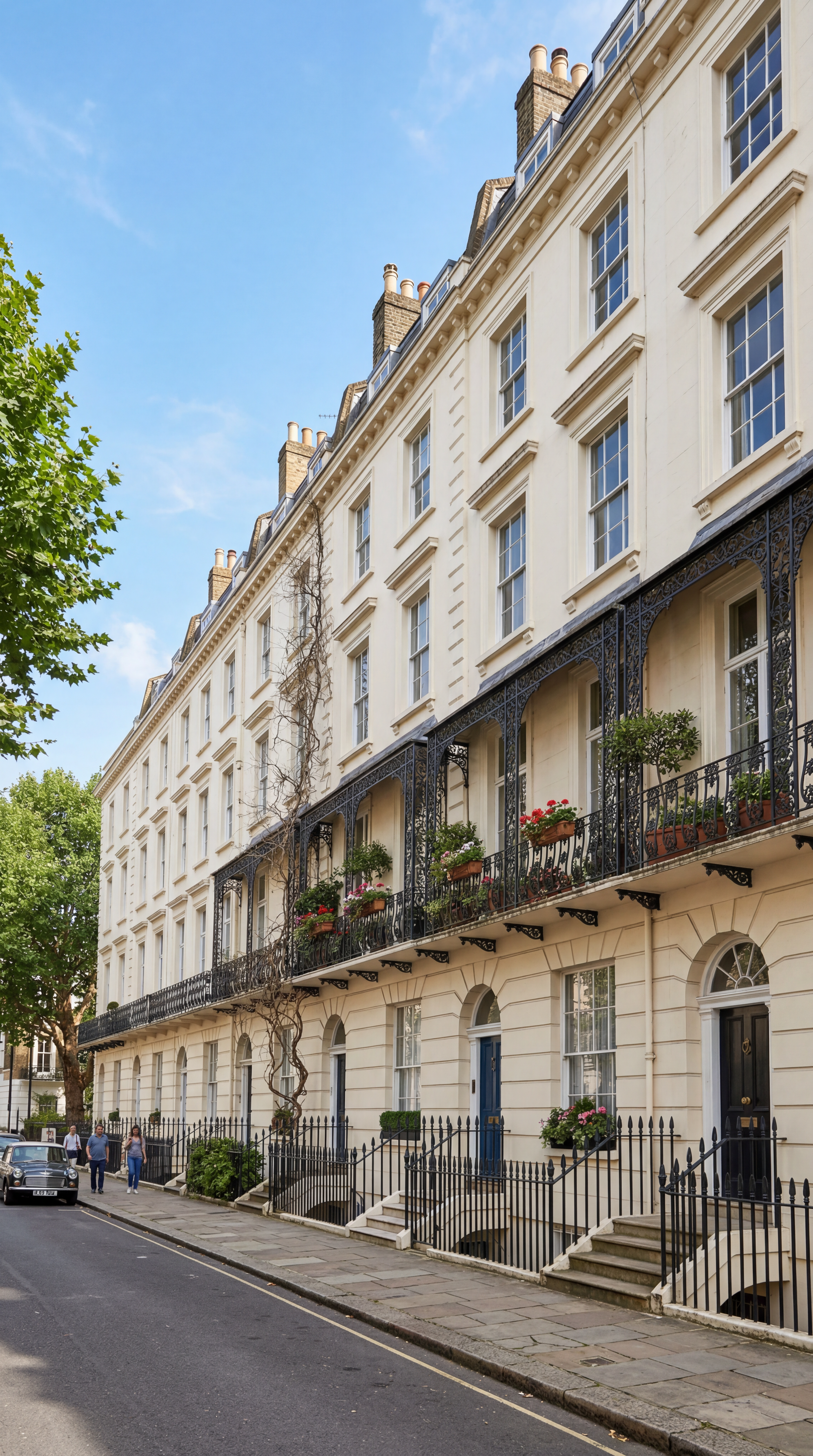
Start at Wilton Crescent. The curve of the buildings does the work; you do not need much else. Walk down to Belgrave Square, pause at the gates of the gardens (they belong to the diplomatic residents, so you can only look in), then drop south along Belgrave Place into Eaton Square.
Cut west into the mews. Eaton Mews North and South sit just behind the square's main terraces, and they show the working bones of the area: the original carriage houses, now mostly painted in soft Farrow & Ball shades and converted into small private homes. Wilton Place takes you back north towards St Paul's Knightsbridge, the early-Victorian church with the carved stone porch.
If the weather holds, walk through to Wilton Crescent again and out along Motcomb Street, where the shopfronts have stayed proportionally small. A coffee at the corner café there, in the late morning, is the right way to take stock before lunch.
Where to eat
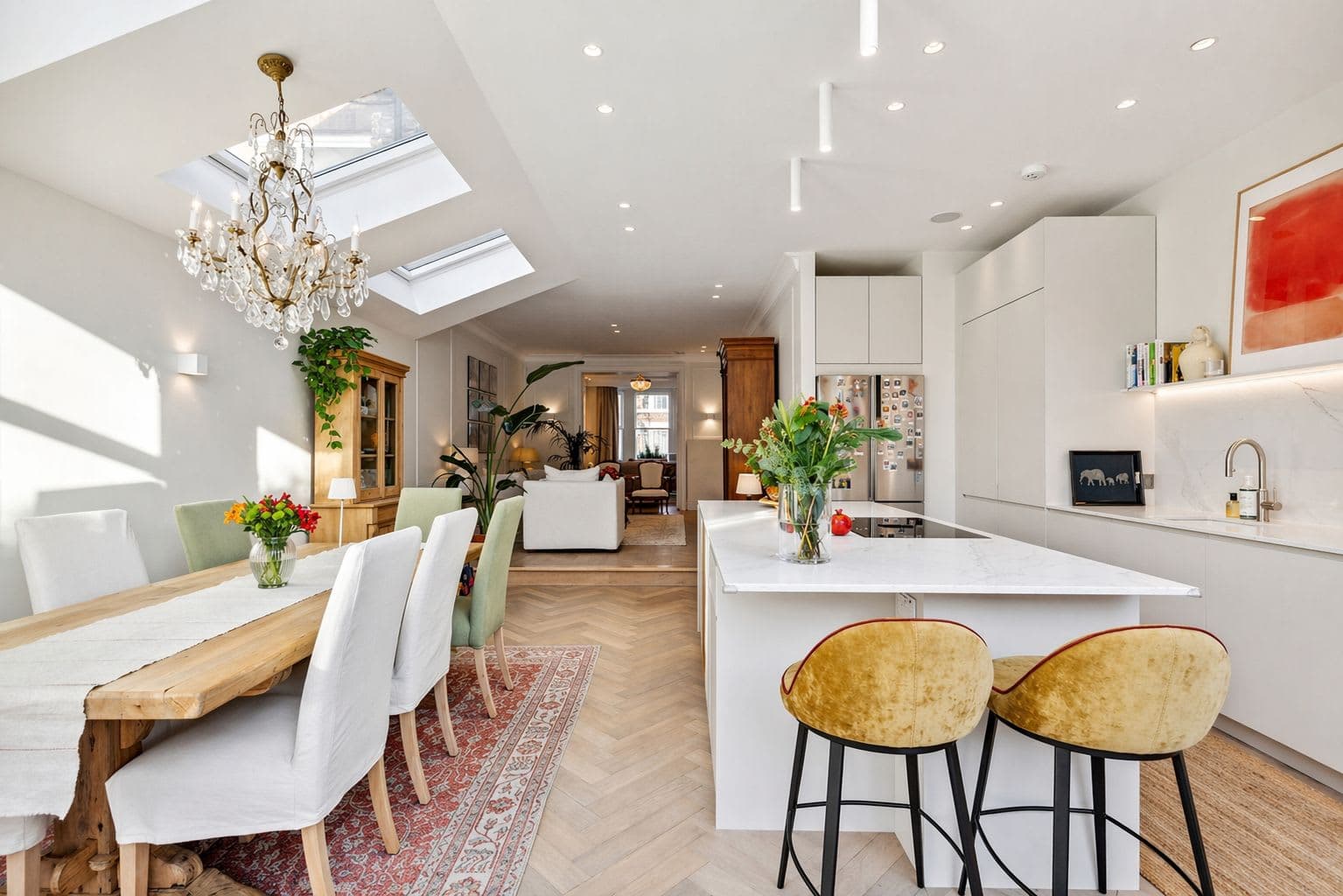
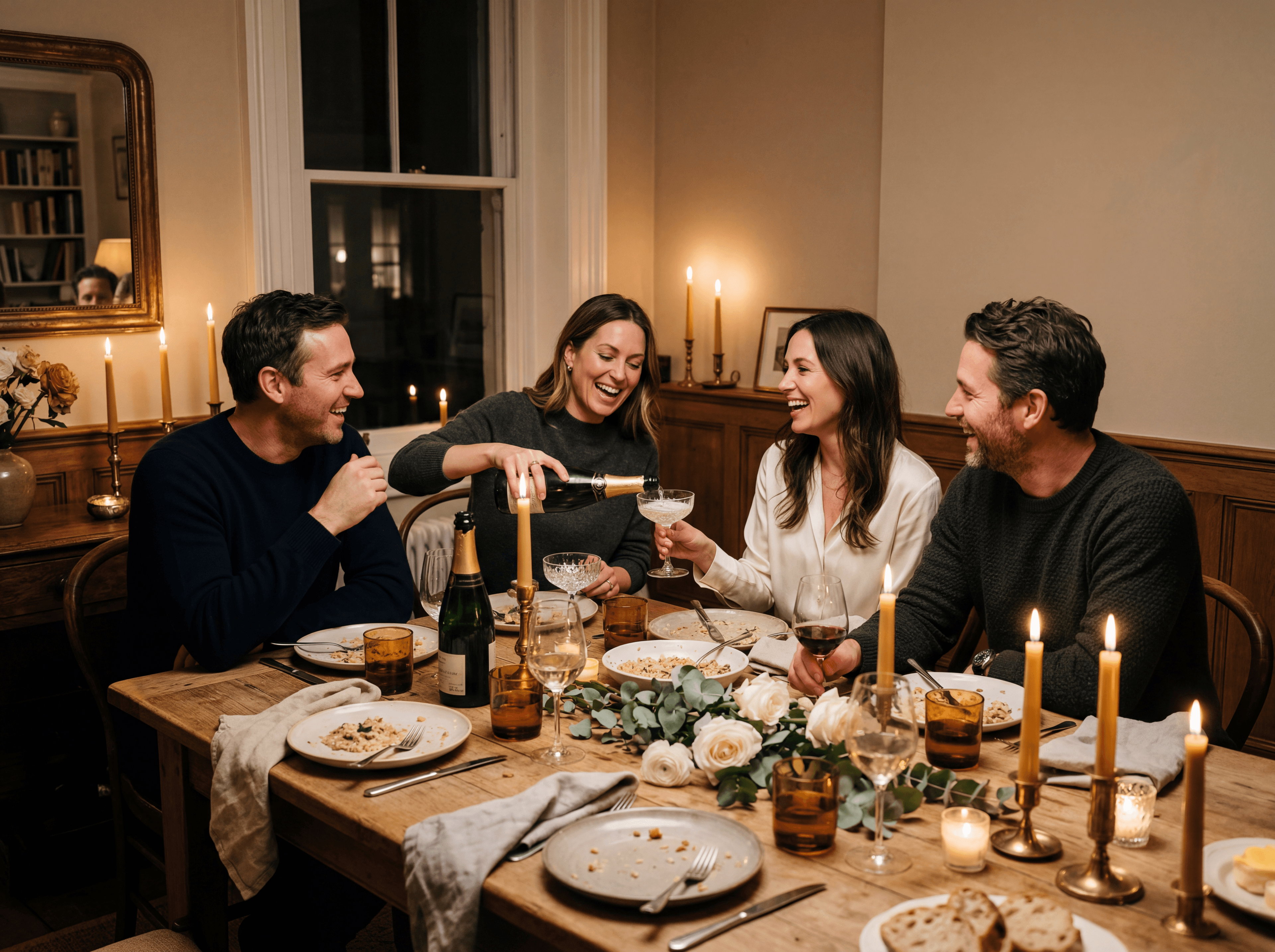
For dinner, Pétrus on Kinnerton Street holds a Michelin star and a very loyal local following. The room is tucked into a converted townhouse and it feels appropriately Belgravian: low-key from the street, then warm and confident inside. Book a fortnight ahead at the weekend.
For something less formal, The Thomas Cubitt on Elizabeth Street covers the gastropub brief better than most. Ground floor for a pint, upstairs for the proper dining room. Sunday lunch there is worth the trip.
For lunch, Olivocarne does Sardinian meat plates that are heavy in the right way, and Boisdale of Belgravia is the place to go if you want jazz, Scotch, and a steak in roughly that order. Daylesford Organic on Pimlico Road is the daytime fallback: salads, a glass of something on tap, decent flat whites.
A note on bookings: Belgravia kitchens are small and the regulars treat them as theirs. Reserve before you arrive in London.
Where to pause
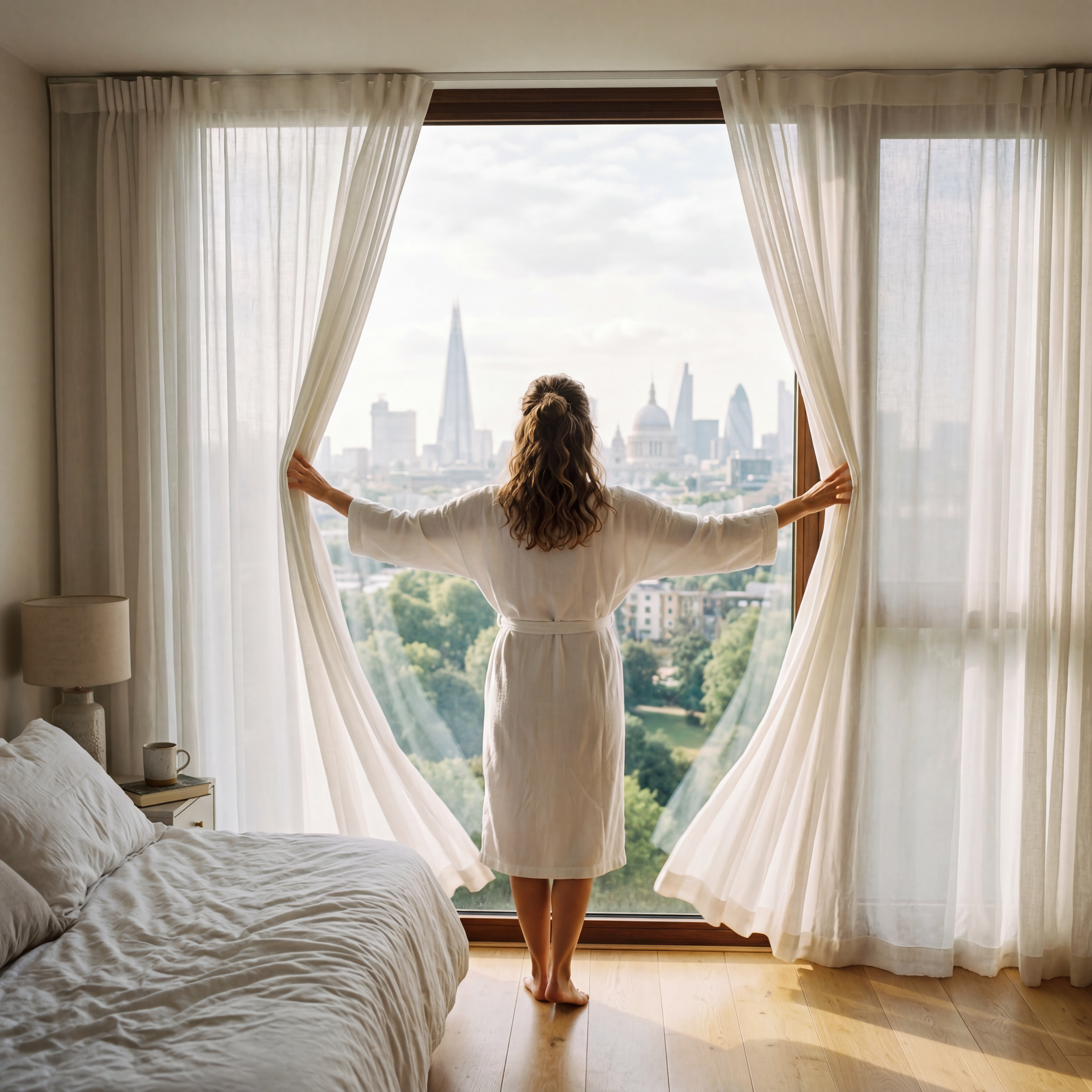
Sunday morning is for the slow loop. The Halkin's bar (now part of COMO) opens for late breakfast. Walk over to St Michael's Church on Chester Square for the half ten service if you like the music, or just sit in the gardens of Pimlico Green for half an hour with a coffee from Peggy Porschen's window. Then drift back through Eccleston Square's quieter east side towards the river.
If the afternoon turns, the Lanesborough's tea room is a five-minute walk to Hyde Park Corner. It is a more formal sit than the modern places further south, and it suits the slower pace.
Leave on the Sunday evening if you can. Belgravia at dusk, with the lamps lit along Wilton Crescent and almost no one about, is the picture you came for.